


Jewelry Inventory Software Download

Jewelry Inventory Management Software: Revolutionizing Jewelry Store Operations

Jewelry inventory management software has become a vital component for running successful jewelry businesses. Combining advanced RFID technology with robust software capabilities, this solution enhances security, boosts efficiency, and provides accurate inventory tracking. Fresh USA, an RFID technology systems, software, and hardware developer based in the greater Chicago area, offers a globally trusted solution designed for jewelry retailers, manufacturers, and wholesalers.


Why Jewelry Inventory Management Software is Essential

Managing inventory in a jewelry store is complex due to the high value and small size of the items. Traditional systems often fail to provide real-time updates, creating risks for theft and loss. Jewelry inventory management software powered by RFID technology offers:

Basic Jewelry Inventory Software Download / Software download

The software "Jewelry Inventory Management Software" includes a demo version of the main functions with a test reader connection "smart shelf". A software license is provided with one set of equipment for one computer.
"Jewelry Management Software" Basic Software
free

Additional Options Jewelry Inventory Software Download / Software download

"Jewelry Management Software" additional functions and licenses
Standard software lifetime license, for one computer only
$ 299
BUY
License to activate one RFID UHF reader
$ 99
BUY
Connect handheld inventory reader
$ 99
BUY
RFID Reader Configurator
$ FREE
BUY
.NET Framework 3.5
$ FREE
BUY
Windows Mobile Device Center 6.1 / WMDC Fixes
$ FREE
BUY
Update - 32-bit Windows
$ FREE
BUY
Update - 64-bit Windows
$ FREE
BUY

Jewelry Inventory Software Download from Fresh USA provides the Windows application used with compatible Fresh USA jewelry inventory, Smart Shelf and theft-prevention systems. The software is designed for jewelry stores, watch stores, wholesalers, luxury boutiques and other businesses that need item-level inventory records, monitored display zones, reader management and searchable event history.

This is the primary Fresh USA software page for the jewelry inventory software download, licensing information, installation resources and links to technical setup guides.

Download Jewelry Inventory Software

Buy Lifetime Software License — $299

Jewelry Inventory Software for Windows

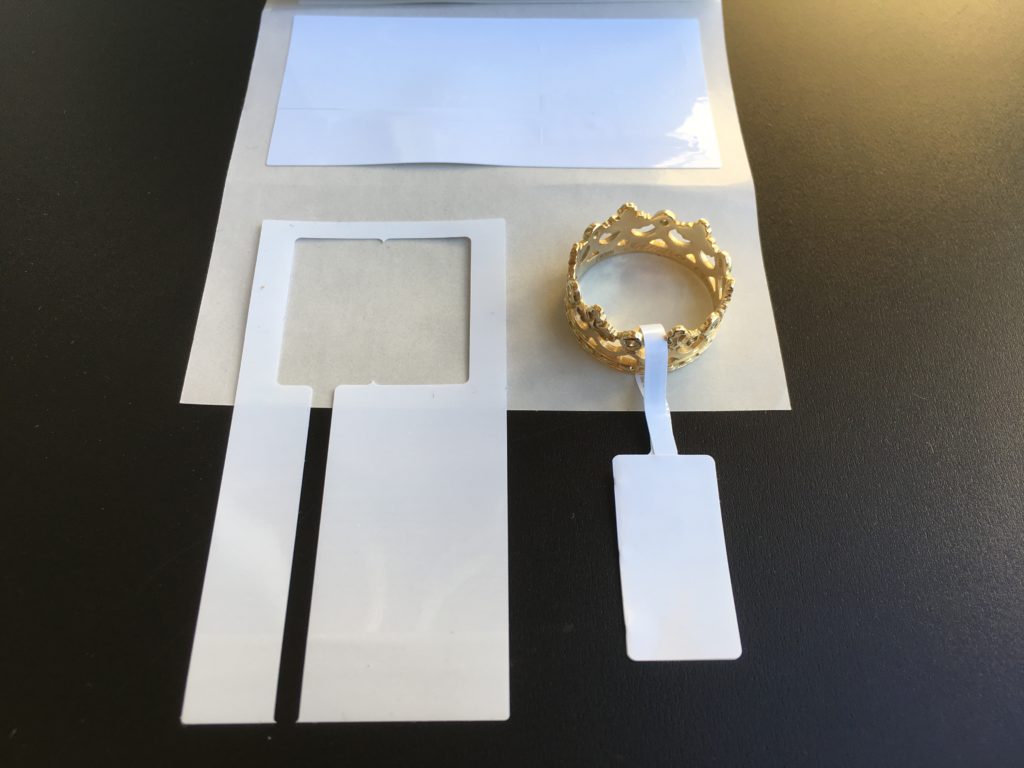
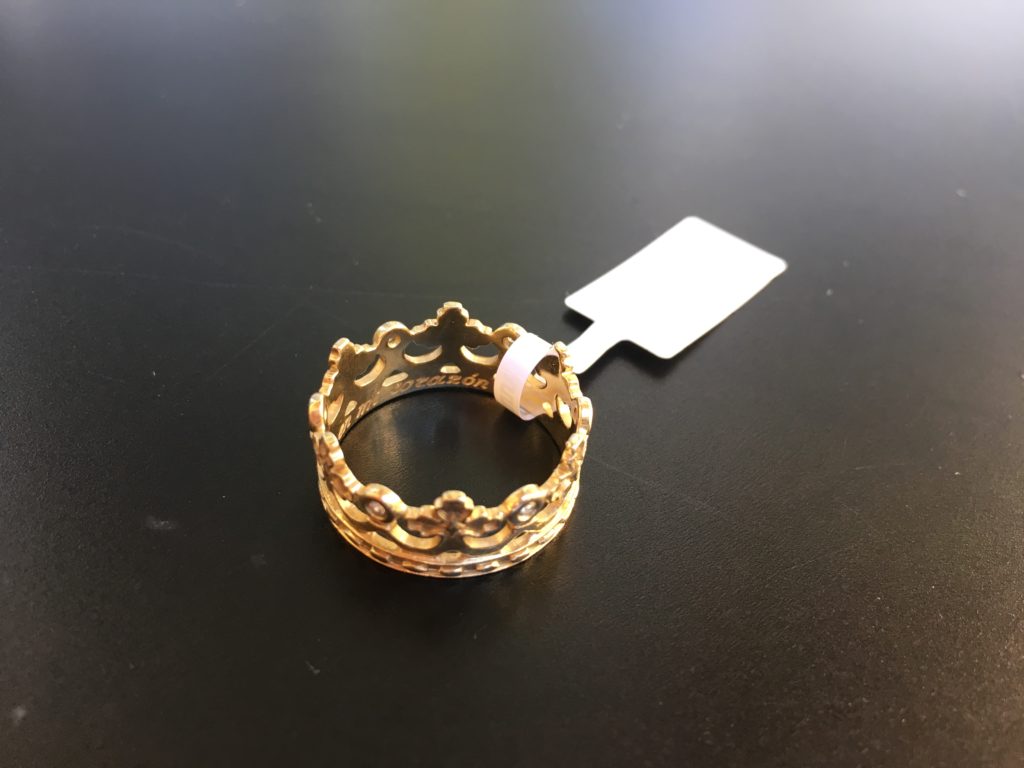
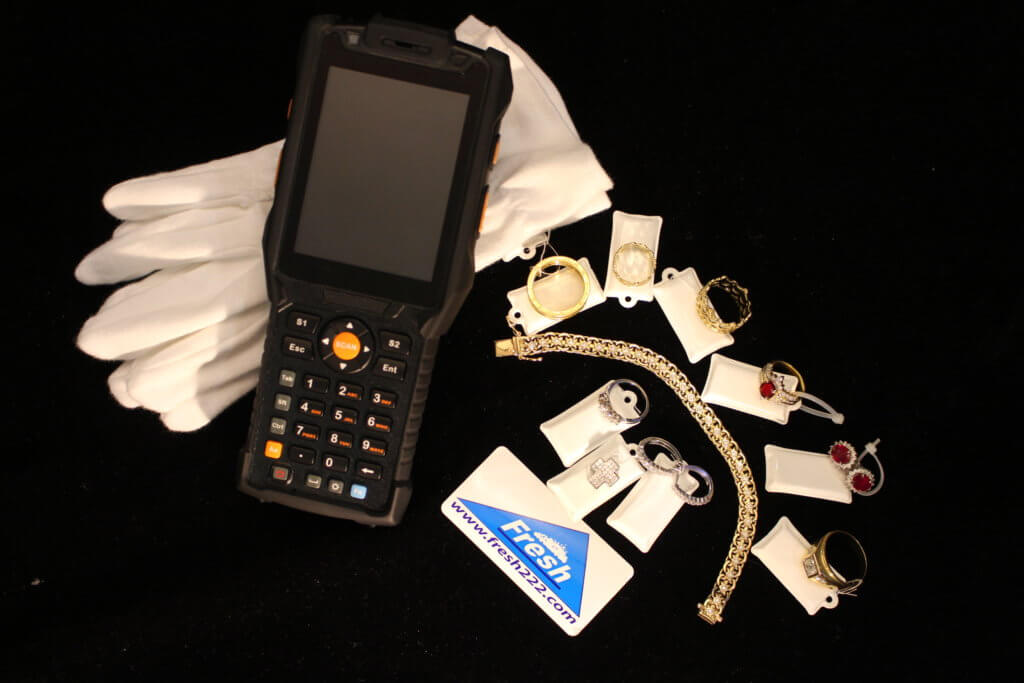
Fresh USA Anti-Theft / Inventory Software combines inventory records and compatible jewelry security workflows in one Windows environment. Each compatible jewelry tag can be associated with a merchandise record so the system can identify individual rings, watches, bracelets, necklaces, gemstones or other high-value items.

Smart Shelf Monitoring for Jewelry

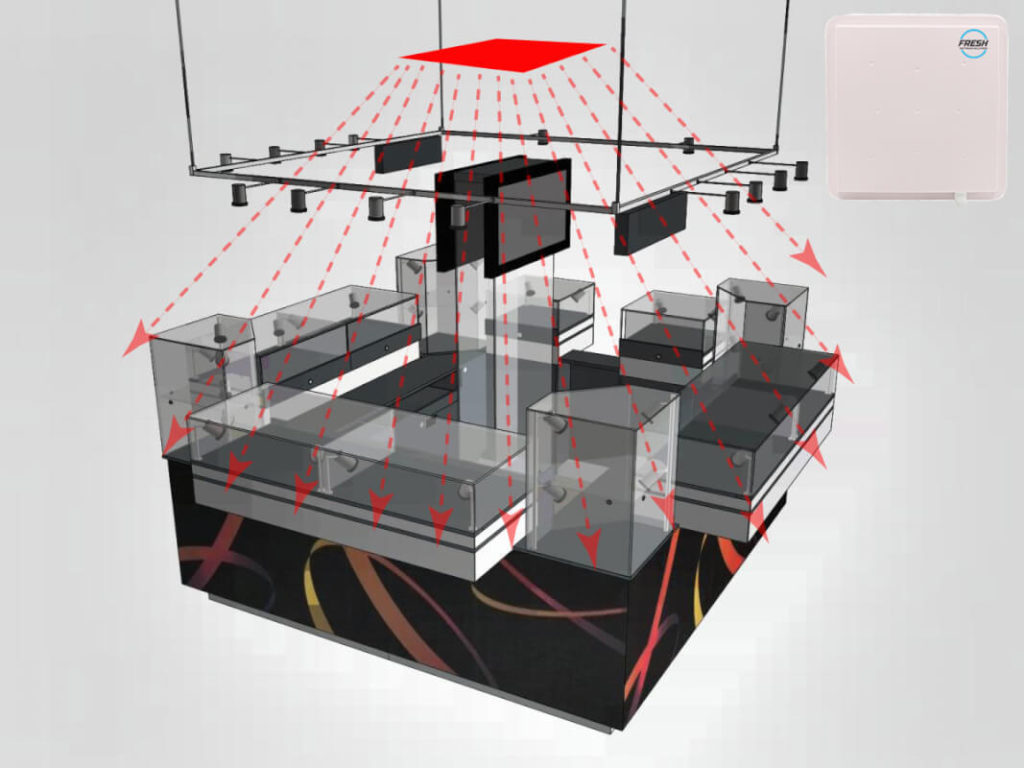
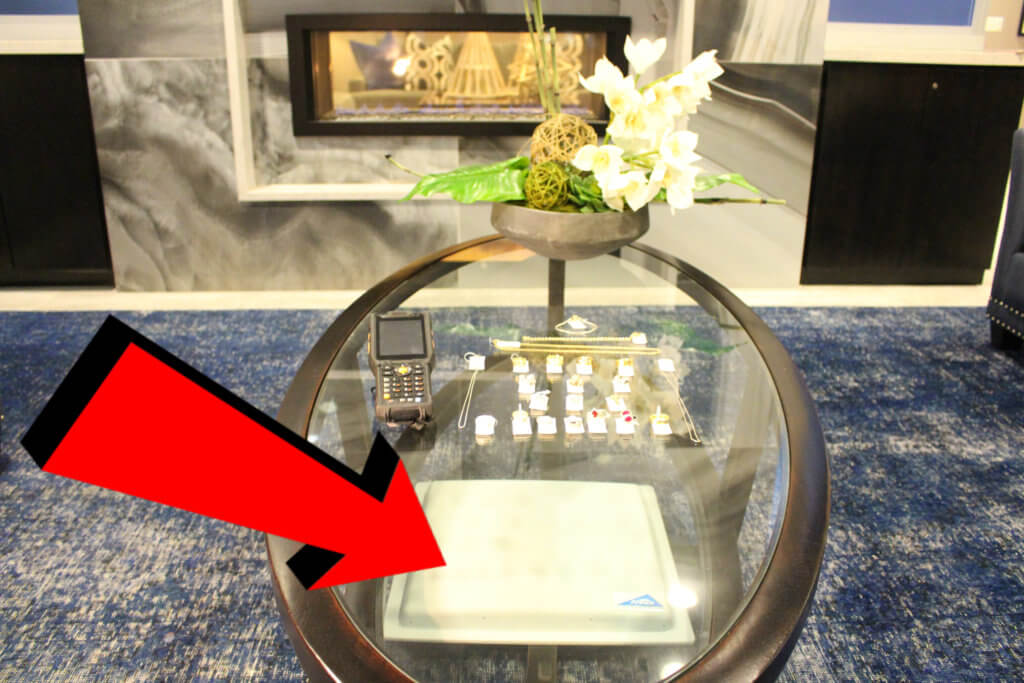
Fresh USA Smart Shelf technology monitors tagged merchandise directly at a showcase, counter, shelf or other configured display area. Instead of depending only on an exit detector, the system can maintain a view of which registered items should be present inside each monitored zone.

Reader and antenna placement must be adjusted for the actual store environment. Showcase construction, metal surfaces, glass, tag orientation and neighboring reader zones can affect detection performance. Correct installation therefore includes zone planning, antenna placement, reader configuration, RF power adjustment and real-world testing with the jewelry items that will actually be protected.

View Jewelry Smart Shelf System

Software License and Reader Connections

The current Fresh USA Anti-Theft / Inventory Software package is $299 and includes one lifetime software license for one Windows computer and one compatible connected Fresh USA reader connection. There is no mandatory monthly Fresh USA software subscription fee. Additional fixed reader connections require the appropriate reader connection licenses, and each additional Windows computer running the licensed application requires its own software license.

Jewelry Software Installation and Technical Setup

The software installation is only one part of a reliable jewelry monitoring system. A complete project also requires correct database configuration, reader communication, antenna positioning, zone definition and final testing.

Use these Fresh USA technical resources for installation and commissioning:

For the full software manual, see the Fresh USA Anti-Theft / Inventory Software User Manual. For reader and antenna commissioning, see the Smart Shelf Installation and Adjustment Guide.

Typical Jewelry Software Workflow

  1. Install the software on the Windows computer or server used for the project.
  2. Configure the database and verify that the application can connect correctly.
  3. Add compatible readers and confirm network or interface communication.
  4. Define monitored zones for showcases, counters, shelves or other protected areas.
  5. Adjust antennas and reader power so each zone is covered without excessive overlap.
  6. Register jewelry items and tags in the software database.
  7. Test every zone with real tagged merchandise and verify alerts, item status and event history.

Inventory, Security and Item History

A jewelry company can use the same software environment for inventory and compatible security functions. Registered merchandise can be associated with unique tags, reader locations can be named for their physical zones, and event history can be reviewed when an item changes status or leaves a monitored area.

The software also supports inventory-related operations such as item registration, tag binding and rebinding, inventory documents, balance reports and compatible handheld-reader data exchange. This makes the system useful not only for theft-prevention projects but also for regular jewelry inventory control.

Download Jewelry Inventory Software

The installation package can be downloaded separately from the commercial license. Downloading the installer does not by itself activate licensed reader connectivity. Use the download below for the Fresh USA Windows application, then follow the technical guides above for installation, reader setup and Smart Shelf adjustment.

Jewelry Inventory Software Download

Frequently Asked Questions

Where should I download Fresh USA jewelry inventory software?

This page is the primary Fresh USA jewelry inventory software download resource and links to the current installer, license page and technical setup guides.

Can the software work with several jewelry showcases?

Yes. Compatible readers and antennas can be assigned to different monitored zones. The final layout must be adjusted for the actual store environment and tested for zone overlap and dead spots.

How are readers connected?

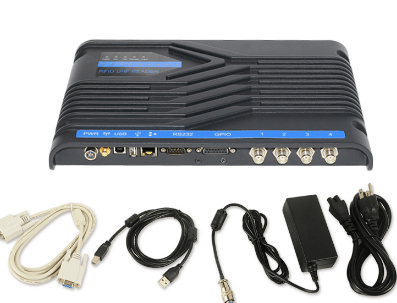
Supported connection methods depend on the reader model. The Fresh USA software manual documents reader connection options including TCP/IP, RS232, USB and Wi-Fi, while Smart Shelf projects commonly use Ethernet/TCP/IP for fixed readers.

How should antennas be adjusted?

Each antenna should cover its assigned display zone without excessive spill into neighboring zones. Final commissioning should include power adjustment, orientation checks, dead-spot testing and system-wide multi-tag testing.

Can the same system support inventory and Smart Shelf security?

Yes. Compatible Fresh USA readers can be assigned to different operating modes within the same software environment, allowing inventory, Smart Shelf and anti-theft workflows to share one database.

Plan a Jewelry Inventory and Security System

Use the Fresh USA System Configurator to organize readers, monitored zones, Windows workstations and other project requirements before quotation.

Configure Your Jewelry System

Return policy

Jewelry Smart Shelf Setup and Anti-Theft Configuration
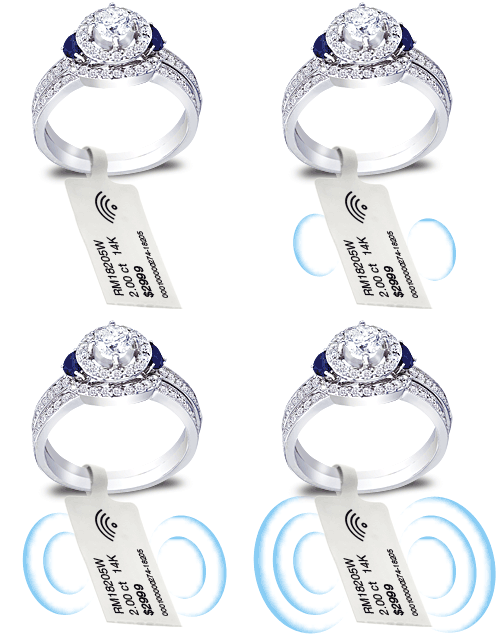
Jewelry Smart Shelf Setup combines software configuration, tag assignment, reader modes, monitored zones and alert testing for Fresh USA jewelry systems. This guide focuses on the technical setup of Smart Shelf and compatible anti-theft functions after the Windows software, database, readers and antennas have already been installed.

For the installer and primary software page, use Jewelry Inventory Software Download.

Use Smart Shelf / Safe Mode for Display Monitoring

The Fresh USA Anti-Theft / Inventory Software manual documents a Safe / Smart Shelf reader mode. In this mode, the software monitors registered merchandise assigned to a reader or display zone and shows whether expected tagged items are currently being detected.

Use clear zone names that match the physical jewelry layout, such as Diamond Showcase, Watch Counter, Bridal Display or Front Window. This makes item status and event records easier for employees to understand.

Assign Jewelry Tags to Item Records

Before Smart Shelf monitoring can identify individual merchandise, each compatible tag should be associated with the correct jewelry record in the software.

  1. Open the tag-management function.
  2. Select the reader used for the binding process.
  3. Select the correct merchandise classification or item record.
  4. Bring the tag into the reader field.
  5. Confirm the detected tag and complete the binding process.

The software manual also documents rebinding and unbinding functions for changing or removing tag assignments when merchandise or tags are replaced.

Configure Each Reader for Its Actual Function

Do not use one operating mode for every reader. A jewelry installation can use different readers for different tasks:

  • Safe / Smart Shelf: continuous monitoring of tagged merchandise in a display zone.
  • Anti-theft: monitoring at a checkpoint or protected passage.
  • Auto binding: automatic tag assignment workflow.
  • Auto unbinding: removal of tag assignments when appropriate.
  • Auto anti-theft off: temporary removal of a registered tag from active protection without deleting its database record.
  • Auto anti-theft on: return of a previously disarmed tag to the protected state.

This separation is especially important for jewelry companies that use Smart Shelf monitoring at showcases while also using other readers for inventory or exit control.

Set Smart Shelf Zones Before Adjusting Alerts

Complete the physical reader and antenna adjustment before relying on software alerts. Each monitored zone should have stable tag detection and minimal overlap with neighboring zones.

If an item appears in the wrong zone or repeatedly changes status while it remains physically stationary, return to antenna placement and RF power adjustment instead of changing alert logic to hide the problem.

See the Jewelry RFID Antenna Setup and Zone Adjustment Guide for the recommended tuning procedure.

Smart Shelf Alert Configuration

The supplied software manual includes anti-theft settings for Smart Shelf operation, including the Smart Shelf timeout and notifications for certain reader or item conditions. Configure these values only after the detection zones are stable.

During commissioning:

  • place known tagged items in the monitored zone;
  • confirm the software shows the expected merchandise as present;
  • remove one test item from the zone;
  • verify that the event is logged or the configured notification is generated;
  • return the item and confirm normal monitored status is restored;
  • repeat the test with several items and several zones.

Use the Event Log for Verification

The Fresh USA software manual documents an Events Log that stores anti-theft-related events and allows additional information to be opened for a selected event. Use the event log during commissioning to confirm that the correct reader, zone and tagged item are associated with the test event.

For multi-zone jewelry systems, this verification is more useful than simply confirming that an alarm appeared on screen.

Reader Connection Monitoring

The software can display connected-reader status and can be configured to notify the operator if a reader becomes unavailable. During jewelry Smart Shelf setup, disconnect one test reader or network connection in a controlled commissioning test and verify that the software reports the expected reader problem.

This test helps confirm that staff can distinguish a real missing-item event from a hardware or network communication issue.

Unknown Tag and Merchandise Testing

The manual also documents an option for notifying the operator when an unknown tag appears in an active reading zone. If this function is used in the project, test it separately from normal registered merchandise so the operator understands the difference between an unknown-tag event and a missing registered item.

Inventory and Smart Shelf in One System

The same Fresh USA software environment can support inventory documents, balance reports, tag management and compatible handheld-reader data exchange. This allows a jewelry company to use Smart Shelf monitoring for day-to-day display protection while still maintaining inventory records in the same database.

For inventory operation, the manual documents receipt/income records, issue/outcome records, balance reports and inventory data exchange with a compatible mobile terminal or handheld workflow.

Final Jewelry Smart Shelf Commissioning Checklist

  • software and database open correctly;
  • all readers show the correct connection status;
  • reader names match the real jewelry zones;
  • each reader is assigned to the correct operating mode;
  • antennas cover their intended zones without excessive overlap;
  • all production jewelry tags are assigned to the correct records;
  • item removal and return tests work consistently;
  • event logs identify the correct reader and item;
  • reader-disconnection notifications are verified where enabled;
  • final reader, antenna and software settings are documented for maintenance.

Technical Resources

Jewelry RFID Antenna Setup and Zone Adjustment

Jewelry RFID Antenna Setup determines how reliably a Smart Shelf or monitored jewelry display reads tagged items inside the intended zone without detecting too far into neighboring areas. This guide focuses on antenna placement, orientation, reader power and final zone testing for Fresh USA jewelry systems.

Before antenna tuning, complete the Jewelry Inventory Software Download, software installation and reader setup.

Plan the Jewelry Reading Zones

Start by identifying the physical areas that need to be monitored: individual showcases, display shelves, counters, cabinets or other jewelry presentation zones. Each zone should be defined clearly before antennas are mounted.

A good Smart Shelf layout should cover the intended jewelry area evenly while avoiding unnecessary overlap with adjacent zones. If two zones overlap too strongly, a tag can be detected by the wrong reader or antenna, making item-location information less useful.

Mount Antennas for the Actual Display

The Fresh USA Smart Shelf installation guide recommends mounting antennas on or near the monitored shelf or display area and securing them so they do not interfere with presentation or normal customer access.

For each antenna:

  • select a position that covers the intended display area;
  • connect it to the correct reader port;
  • record which physical zone corresponds to that port;
  • keep antenna cables secure and away from avoidable damage;
  • verify the antenna orientation with real tagged jewelry after installation.

Use Circularly Polarized Antennas Where Appropriate

The supplied Smart Shelf guide recommends circularly polarized antennas for broad tag-orientation tolerance. Jewelry tags are not always positioned the same way, so antenna orientation and polarization should be tested with the actual tags and merchandise used in the store.

Adjust Reader Power by Zone

Do not begin with maximum power. The goal of jewelry RFID antenna setup is to cover the assigned zone reliably without excessive overspill.

  1. Start with a controlled power setting.
  2. Place a representative jewelry tag at several points inside the intended zone.
  3. Confirm stable detection throughout the display area.
  4. Check the neighboring showcase or zone for unwanted reads.
  5. Increase or decrease power gradually.
  6. Repeat the test after every significant adjustment.

Too little power can create dead spots. Too much power can expand the RF field beyond the intended display and create cross-zone reads.

Check for Dead Spots

Move a tagged jewelry item through the full monitored area and verify consistent detection. Test corners, front and rear sections of the showcase, elevated or recessed positions, and the actual positions where merchandise will normally sit.

If a dead spot appears, adjust antenna position, orientation or power instead of assuming that a higher power setting alone will solve the problem.

Minimize Zone Overlap

The Smart Shelf guide specifically recommends minimizing overlap between adjacent zones. When two monitored displays are close together, test each zone separately and then together with multiple tags.

If cross-zone detection remains a problem, the guide notes that physical or electronic shielding may be used where appropriate. Shielding should be treated as a corrective measure after antenna placement and power adjustment have been evaluated.

System-Wide Multi-Tag Testing

After individual zones work correctly, test the complete jewelry system with multiple tagged items placed across different displays. Verify that each item is detected in the expected zone and that neighboring readers do not incorrectly claim the same merchandise.

This system-wide step is essential because a zone that performs correctly by itself can behave differently when several readers and antennas operate at the same time.

Test Alerts and Item Removal

Once the inventory and Smart Shelf database contains the correct item-to-tag assignments, remove representative items from monitored areas and confirm that the expected event is logged or notification is generated according to the project configuration.

Then return the item and verify that normal monitored status is restored.

Recalibrate After Store Layout Changes

Jewelry displays are frequently rearranged. New metal fixtures, trays, cabinets, display stands or neighboring electronics can change RF behavior. The Smart Shelf guide recommends periodic inspection and recalibration to account for environmental changes or new shelving layouts.

Repeat jewelry RFID antenna setup checks whenever:

  • a showcase or shelf is moved;
  • new metal display fixtures are installed;
  • reader or antenna locations change;
  • tag types or tag placement change;
  • items begin appearing in the wrong zone;
  • new dead spots or inconsistent reads are observed.

Recommended Commissioning Sequence

  1. Define the physical zones.
  2. Install readers and confirm communication.
  3. Mount and connect antennas to documented reader ports.
  4. Assign readers and antennas to the corresponding software zones.
  5. Adjust antenna orientation and power.
  6. Test individual tags throughout each zone.
  7. Test multiple tags across the complete system.
  8. Verify alerts and event logging.
  9. Document the final settings for future maintenance.

Technical Resources

Jewelry Software Reader Setup

Jewelry Software Reader Setup is the commissioning stage that connects the Fresh USA Windows application to compatible fixed readers used for inventory, Smart Shelf monitoring and anti-theft functions. Correct reader communication should be confirmed before antenna power and zone boundaries are adjusted.

For the installer and licensing information, start at the primary Jewelry Inventory Software Download page.

Open the Reader Settings

In the Fresh USA Anti-Theft / Inventory Software, open the program settings and select the Readers section. The reader setup area is used to define the connected device, operating mode, connection method, name and reader power settings.

Give each reader a clear name that matches its physical location, for example:

  • Showcase 1
  • Watch Counter
  • Diamond Display
  • Back Storage
  • Main Exit
  • Smart Shelf Zone 2

Clear names make event logs and troubleshooting much easier when several readers are connected to one jewelry system.

TCP/IP Reader Configuration

For fixed Smart Shelf installations, Ethernet/TCP/IP is commonly used. Connect the reader to power and the network, then confirm that every fixed reader has a unique IP address and communication port. Avoid duplicate network addresses.

  1. Connect the reader to the network router or switch.
  2. Assign the planned IP address and port.
  3. Enter the corresponding communication values in the jewelry software.
  4. Save the reader configuration.
  5. Use the software to confirm that the reader is detected and operational.

If the reader does not connect, check the local network first: IP address, subnet, port, cable, switch connection and Windows firewall rules. Do not compensate for a network problem by increasing RF power.

Other Reader Connection Types

The Fresh USA software manual also documents reader connection types including RS232, USB and Wi-Fi, depending on the compatible reader model. Select the connection type that matches the actual hardware used in the project.

Reader Operating Modes

The documented software provides several reader operating modes. Select the mode according to the physical function of the reader rather than giving every reader the same configuration.

  • Anti-theft: reader used as a monitored checkpoint or anti-theft zone.
  • Safe / Smart Shelf: reader used to monitor tagged merchandise assigned to a shelf or display zone.
  • Auto binding: reader used to assign newly detected tags to item records.
  • Auto unbinding: reader used to remove an existing tag assignment.
  • Auto anti-theft off: temporarily removes a registered tag from active protection without deleting it from the database.
  • Auto anti-theft on: returns a previously disarmed tag to the protected state.

These operating modes allow one jewelry software installation to use different readers for different workflows.

Reader Power Is Not the First Adjustment

The reader power setting controls the practical RF coverage of the installed system, but power should be adjusted only after the antennas are installed in their intended locations. Excessive power can make one zone detect tags from a neighboring showcase. Too little power can create dead spots.

After the jewelry software reader setup is complete, continue with the Jewelry RFID Antenna Setup and Zone Adjustment Guide.

Database Connection

The software stores reader settings, item records and events in the configured database. The supplied manual documents SQL Express with .\sqlexpress as the standard server value, Windows authentication and an option to create a new database on the first setup. A company using its own SQL Server environment may require different connection parameters from its IT administrator.

Verify Reader Status Before Adding Jewelry

Before registering production merchandise, confirm the following:

  • every configured reader appears online;
  • reader names correspond to their actual physical locations;
  • each TCP/IP reader has a unique network address;
  • the intended operating mode is selected;
  • the software database is connected correctly;
  • reader-disconnection notifications work as expected for the project.

Tag Binding and Reader Selection

When binding a jewelry tag to an item record, select the reader that will perform the scanning operation, choose the correct merchandise classification, bring the tag into the reader field and complete the binding process in the software. The manual also documents rebinding, unbinding, tag checking and synchronization functions.

This is why correct jewelry software reader setup should be completed before large quantities of jewelry tags are registered.

Technical Resources

up